• Home
  • projects
  • games
  • About
  • Partners
Menu

Change Media

PO Box 907
Victor Harbor SA 5211
+61407811733

Change Media

  • Home
  • projects
  • games
  • About
  • Partners

Asylum Seeker Resource Centre training

August 28, 2012 Carl Kuddell

2012 August - Melbourne VIC

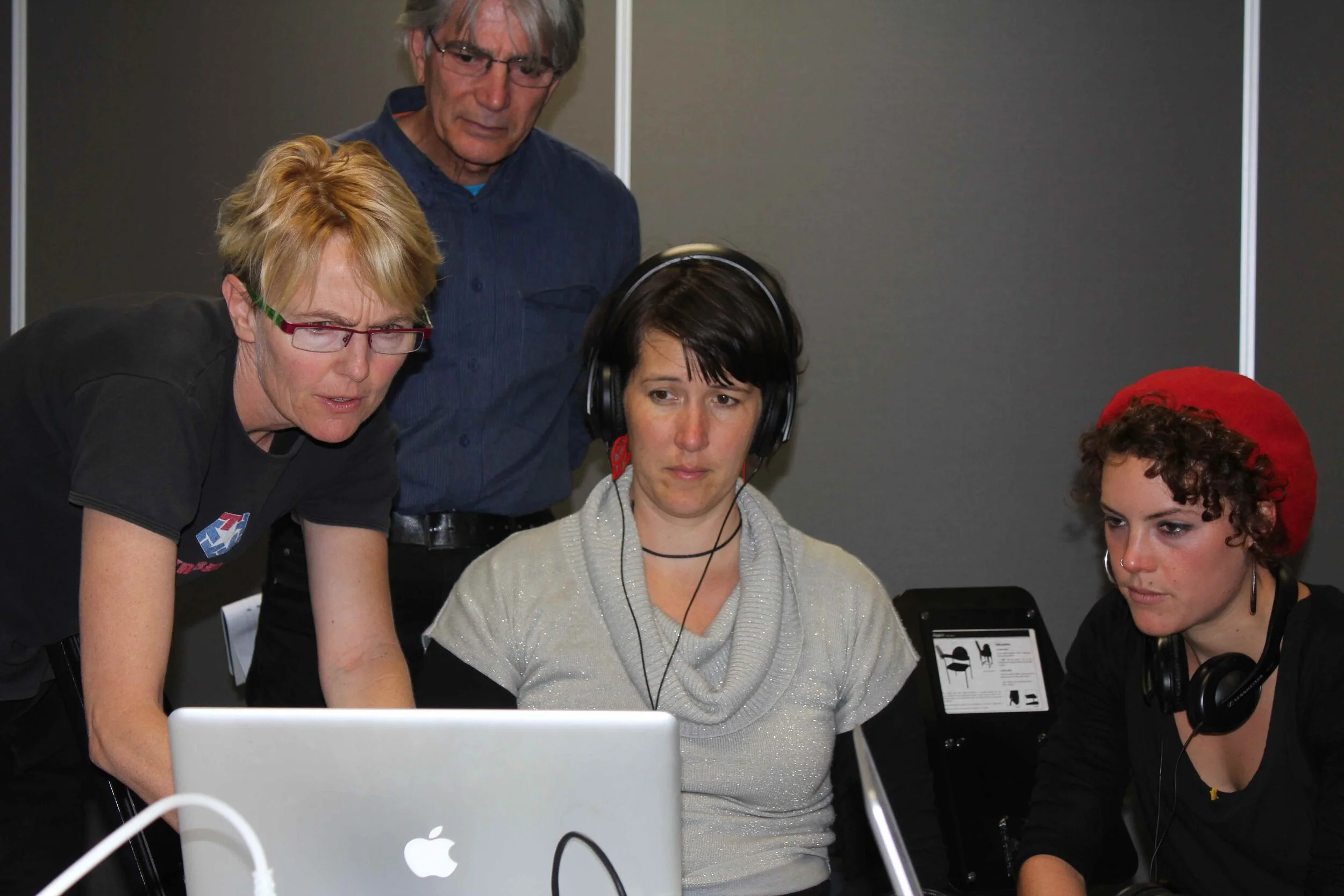
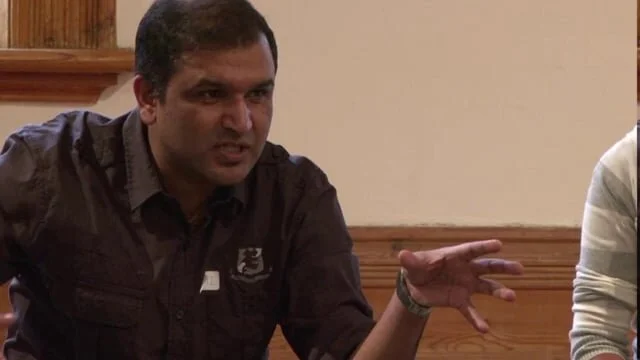
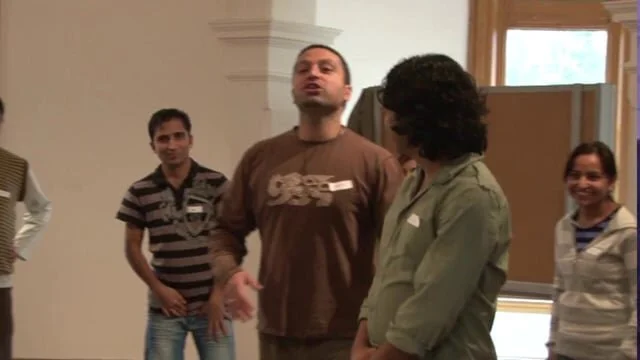
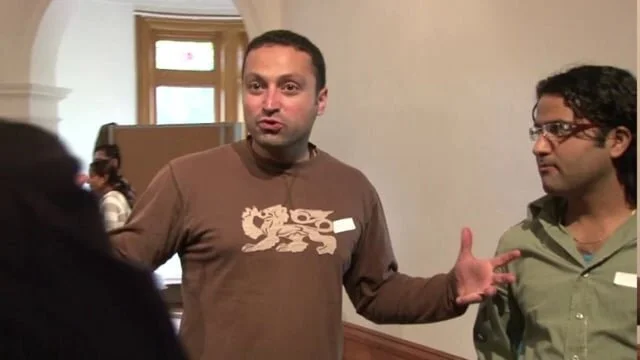
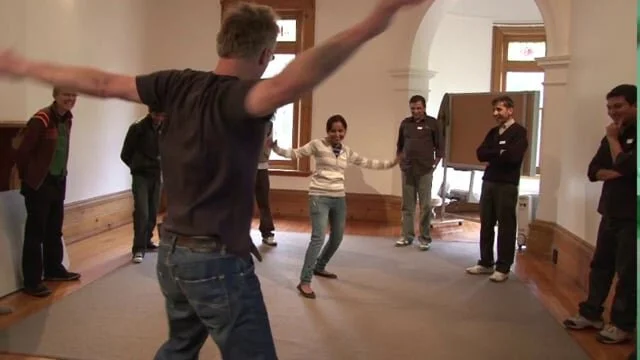
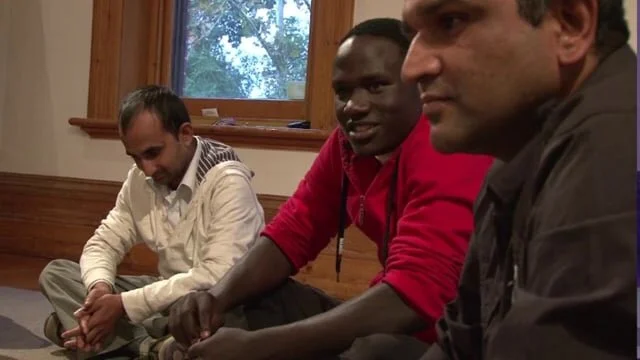
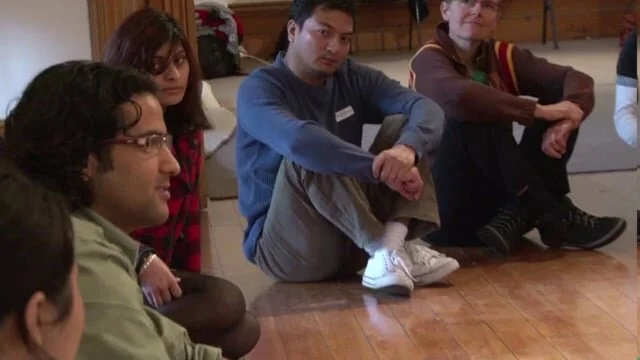
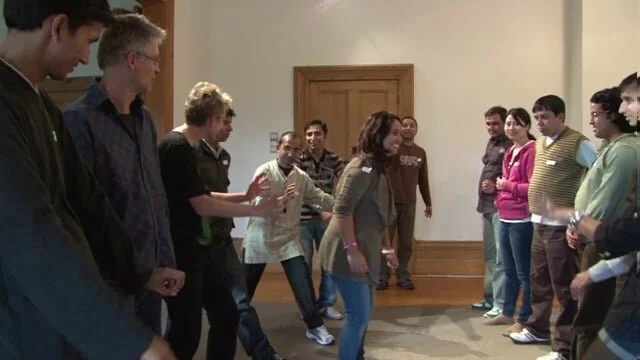
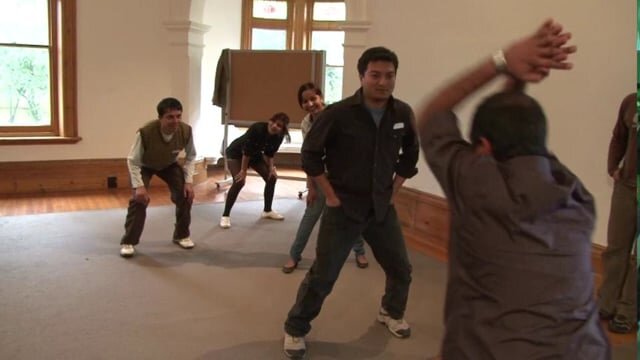
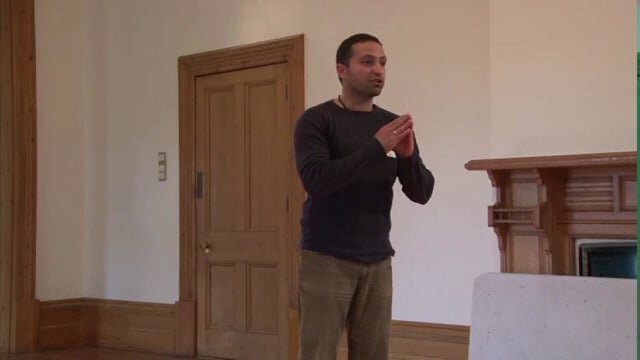
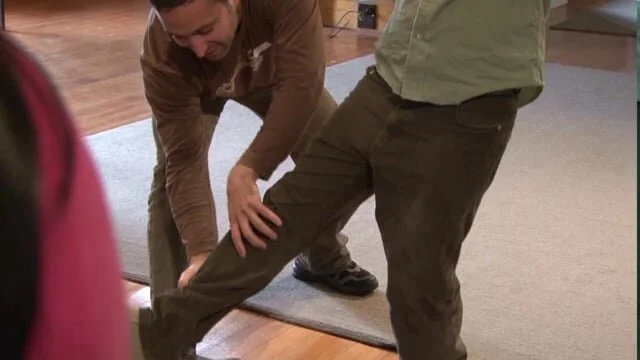
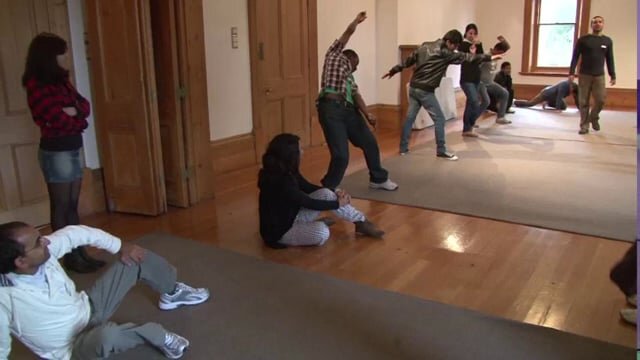
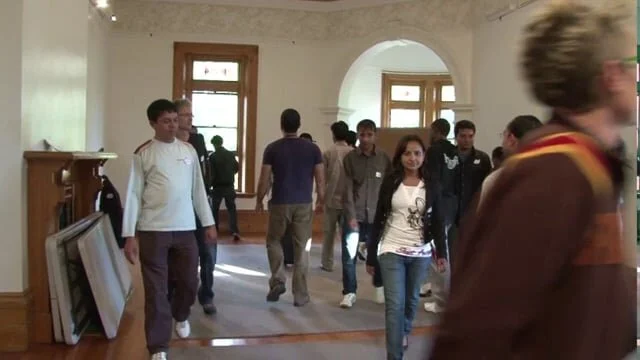
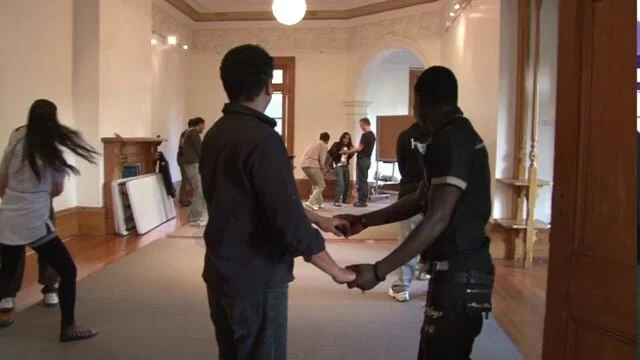
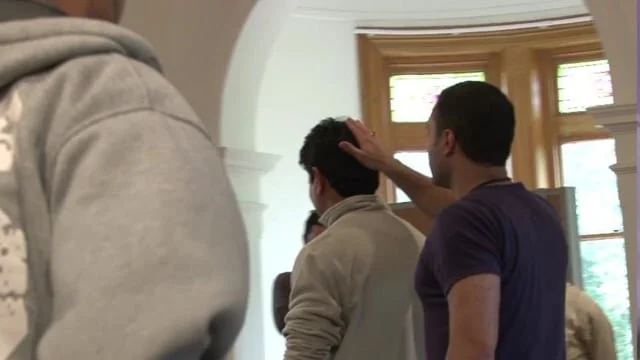
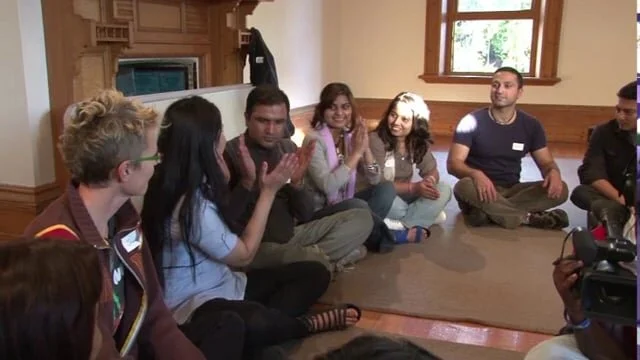
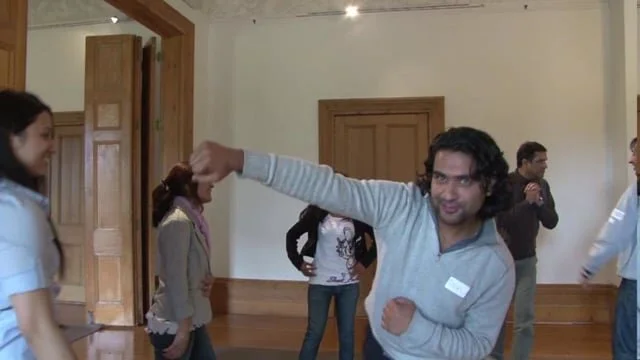
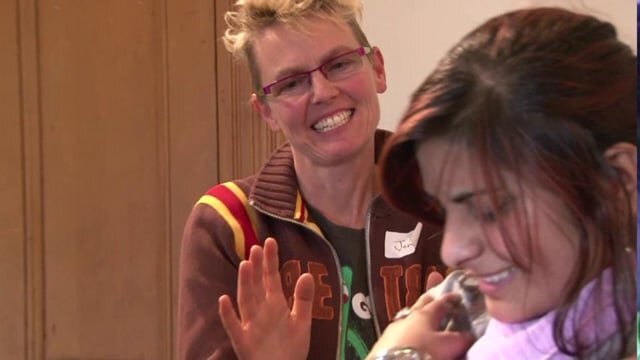
The Change Media team ran the first collaborative workshop in Melbourne with members and volunteers from the ASRC (Asylum Seeker Resource Centre). The 2-day workshop, focused on creating a virtual tour to show off the incredible work of the ASRC and to raise much needed funds and awareness.
The workshop forms part of an ongoing two year collaborative effort to debunk the myths surrounding asylum seekers and to create powerful media messages for TV, internet and/or video projection art. The Change Media team will skill up members and volunteers at the ASRC, to support them to create a self sustaining media hub as a resource for asylum seekers to have a voice in the digital age.

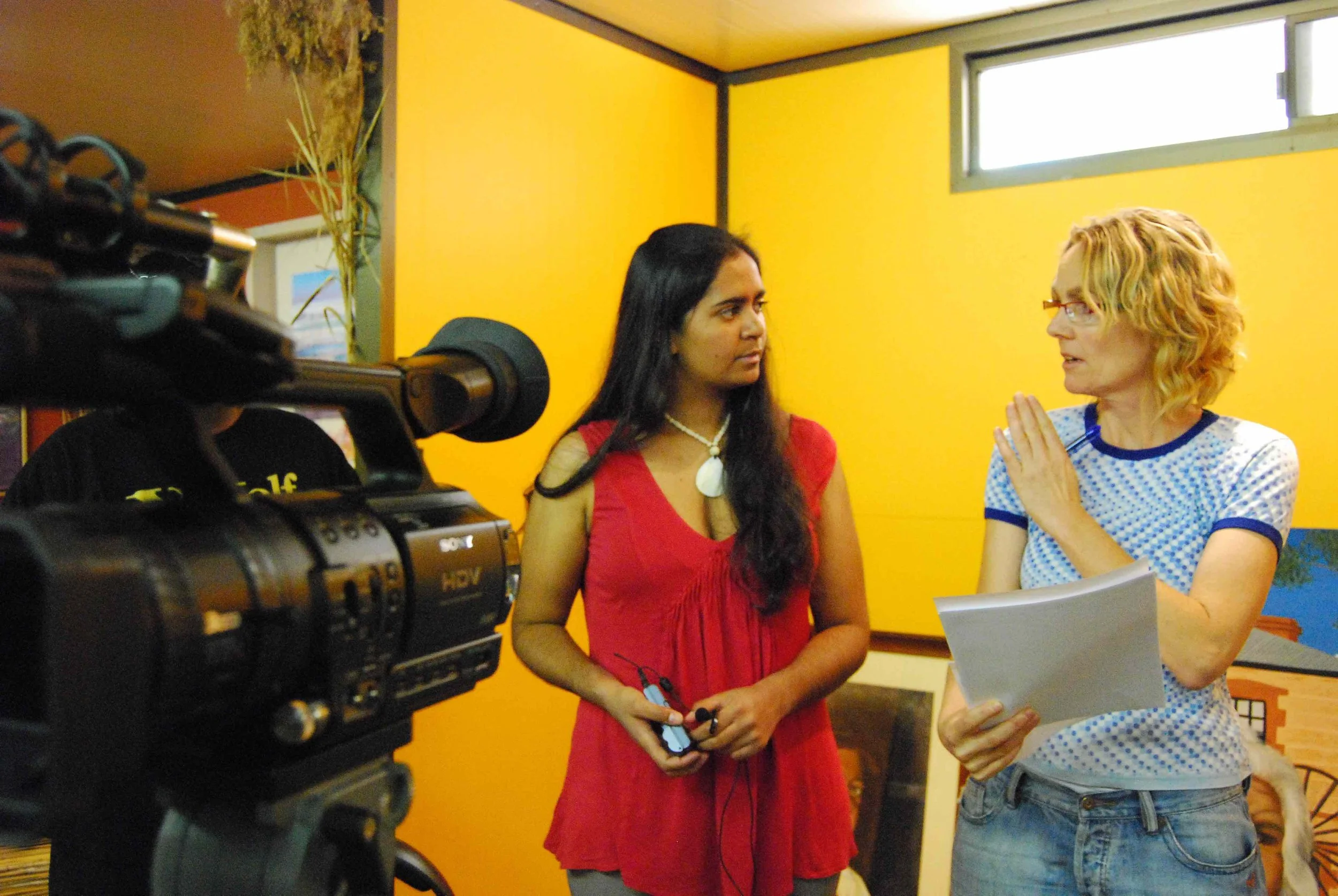
Participants collaborated with us on the overall concept of a virtual tour video for ASRC and trained in basic and advanced camera techniques using the latest in HDSLR cinematography, screen language, editing, uploading to web and be exposed to running and managing productions, budgets, shoots and crews.
We also developed an overview of the 2-year co-creative process to produce a creative campaign to support asylum seekers in Australia.

Training of participants (members and volunteers at the ASRC) is a strong focus of this collaboration, the main goal after two years being that the ASRC has a fully functional media team.
The project also has a strong emphasis on delivery of practical artistic outcomes, with a virtual tour of ASRC being the first video, along with a set of peer-training tools as well as a host of creatively driven video messages to debunk the myths surrounding Asylum Seekers in Australia.

Partners

Asylum Seeker Resource Centre

Australia Council for the Arts Creative Community Partnership Initiative

OurCommunity

Victorian College for the Arts Centre for Cultural Partnerships

In training, 2012-2014 Tags asylum seekers, 2012, ASRC, diversity

headspace media training

July 28, 2012 Carl Kuddell

2012 July - Elizabeth SA

As part of our A Penny For Your Thoughts initiative, Tallstoreez’ Change Media worked with up 15 youth participants, during a hands-on 2-day workshop at the Northern Sound System. Participants include staff from the Adelaide Northern headspace office in Edinburgh North, Youth Advisory Council members and young people dealing with social problems and mental health issues. The aim was to engage with the Change Media co-creative production and training methodology, including a basic intro to equipment and digital media narratives and how to create relevant digital media art works to raise awareness for mental health for young people.

All participants trained hands-on in no-nonsense video techniques, including HD camera and sound work on Day 1, a strong focus on recording interviews on Day 2 and how to build engaging narratives, create video messages and artistic documentations.

On the second day the group reviewed their footage and discussed improvements and changes for their second attempt at interviewing and developing story structures.

Topics included: interview techniques training and tips how to structure a story in 5 key points.
Special focus was given to cross-cultural process and equitable negotiations, the push for excellence as a political necessity especially in community youth arts. We demonstrated examples from our latest creative laboratories with Bell Shakespeare, Indigenous and refugee communities, to develop innovative strategies to craft messages and how to best use digital media for CACD work and social justice campaigns.

Partners

Australia Council for the Arts Creative Community Partnership Initiative

Northern Sound System Elizabeth

headspace

OurCommunity

In training, 2012-2014 Tags Youth, 2012, headspace, mental health

Ngarrindjeri Yarluwar Ruwe Partnership

June 28, 2012 Carl Kuddell

Ngarrindjeri Media - 2012 June - Camp Coorong SA

Advice: Aboriginal and Torres Strait Islander viewers are advised that this website and video links may contain images and voices of people who have died.

The Change Media Team was commissioned by the Ngarrindjeri Regional Authority to document the ceremonies for the Ngarrindjeri Yarluwar Ruwe Partnership Program held on June 7 2012.
Our team conducted interviews with SA Government Minister Caica, Associate Professor Daryle Rigney, Dean of Indigenous Strategy and Engagement, Flinders University and Chair of the Ngarrindjeri Enterprises Pty Ltd.

Additional interviews including Ellen Trevorrow, Simone Ulalka Tur and Steve Hemming, Australian Studies Flinders University. Chair of Ngarrindjeri Regional Authority Research, Policy and Planning Unit.

Partners

Australia Council for the Arts Creative Community Partnership Initiative

Indigenous Coordination Centre SA

Indigenous Cultural Support, Office for the Arts, Department of Regional Australia, Local Government, Arts and Sport

Ngarrindjeri Regional Authority

In 2012-2014 Tags Indigenous, Ngarrindjeri, 2012, Yarluwar Ruwe

Working on Country Rangers Forum

May 28, 2012 Carl Kuddell

Ngarrindjeri Media - 2012 May - Calperum SA

The Change Media team spent five days at the end of April at the inaugural southern Working on Country Forum at Calperum Station just outside of Renmark, SA. The Forum was a national meeting of minds for Indigenous rangers to improve their skills and to make (or maintain) national relationships. Over 120 rangers from SA, NSW, TAS and VIC, gathered to learn about the unique challenges faced by their counterparts, with significance to traditional culture and maintaining our lands and waters.

Change Media was there to document every step of the way, from canoeing, quad bike safety, water quality monitoring, to basket weaving and digital media workshops, and you couldn’t turn a corner at Calperum Station, without seeing the roving media teams gathering pixels.
During the 5-day production the Ngarrindjeri media team trainees learned how to document a major event and take supporting roles in two hands-on training workshops.
They learned advanced skills in film narrative, interview, camera and event coverage techniques.

Change Media founders Jennifer Lyons-Reid and Carl Kuddell ran two 3-hour workshops during the five-day event, to demonstrate hands-on how the rangers and their organizations can use digital media and set-up small media initiatives in their communities. It became clear to the participants they can share important stories and knowledge for future generations, with some excited rangers even rallying for funding to start their own productions!

Meanwhile, the Change Media trainers and Ngarrindjeri media trainees managed the pressure of covering an event, (dozens of parallel activities you can only shoot once, noisy generators, and sand in your camera’s focus wheel, to name a few!). To increase the challenge, the team also agreed to shoot and collate footage for the Department of Sustainability media team, (including interviews, overlay and photos) to be delivered midway through the forum.

Partners

Australia Council for the Arts Creative Community Partnership Initiative

Australian Landscape Trust

Department of Sustainability, Environment, Water, Population and Communities

Indigenous Coordination Centre SA

Indigenous Cultural Support, Office for the Arts, Department of Regional Australia, Local Government, Arts and Sport

Ngarrindjeri Land and Progress Association

Ngarrindjeri Regional Authority

Ngarrindjeri Ruwe Contracting

Ngopamuldi Aboriginal Corporation

In training, 2012-2014 Tags Indigenous, Ngarrindjeri, 2012, environment, working on country

Working on Country Forum edit workshop

May 28, 2012 Carl Kuddell

Ngarrindjeri Media 2012 May - Camp Coorong SA

Advice: Aboriginal and Torres Strait Islander viewers are advised that this website and videos links contains images and voices of people who have died.

The Change Media Team ran a 4-day workshop with 6 Ngarrindjeri Working on Country and Heritage Rangers to edit the documentation of the inaugural Indigenous rangers Working on Country Forum, held in April 16-20 2012.
During the 4-day post-production workshop, the Ngarrindjeri rangers trained in how to media manage footage, create a relevant and engaging story line from multiple events and edit them into a 10-minute video. The workshop also covered basics in post production workflow.

The team also created s new peer-produced training video, that will form part of our Indigenous Media Training online resource and will be uploaded by end of May 2012 on our online training tool kit.

The edit workshop enabled the Ngarrindjeri team to use latest technology in digital video production, working with SD card HD cameras and record instant training videos about their newly learned skills.

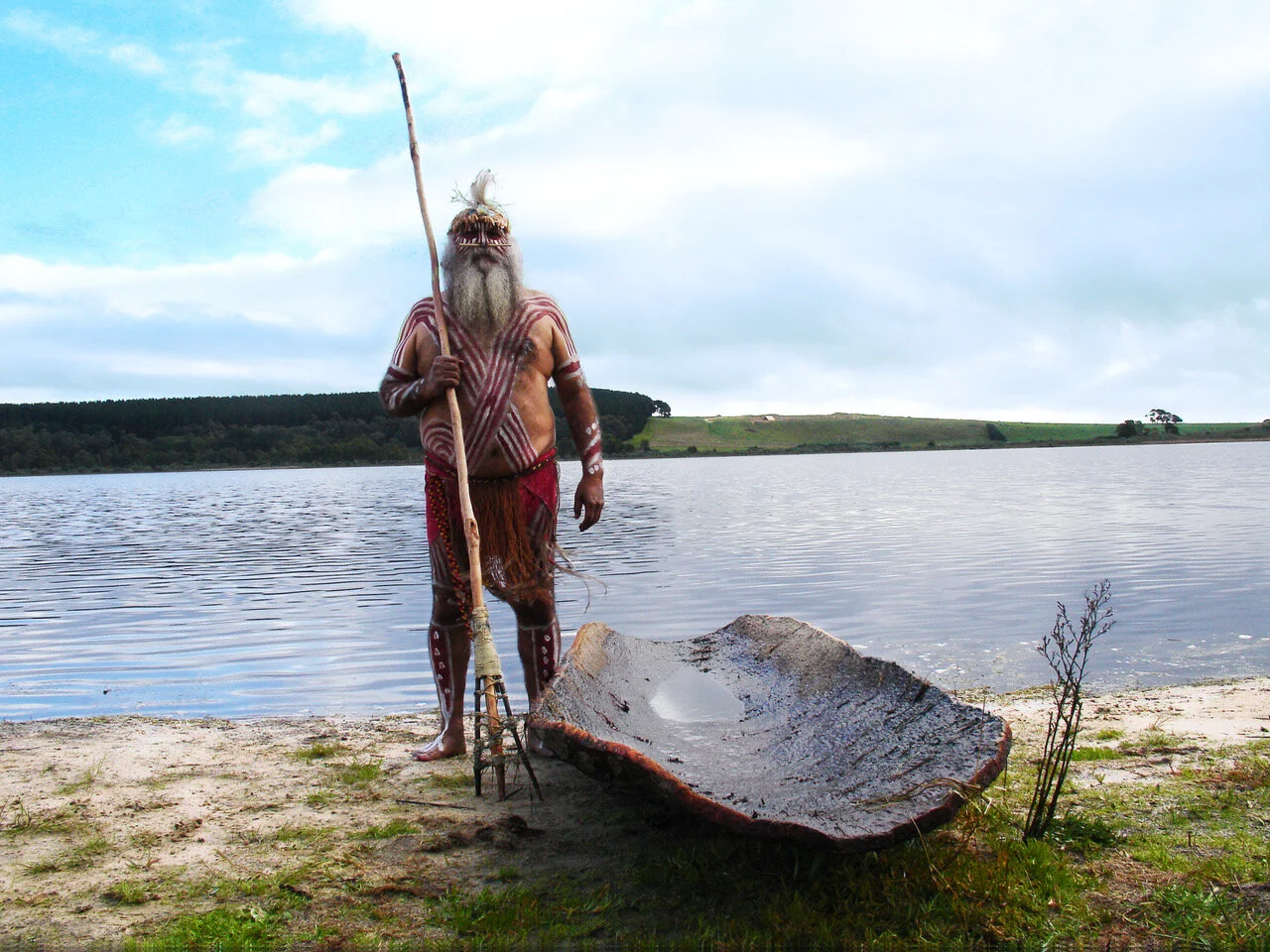
As a result of the successful edit – the Department of Sustainability was thrilled with the documentary and wants to show it to the Minister!!! – the team is now discussing to take part in Uncle Moogy’s trip to Sydney end of May, to launch the Yuki [the bark canoe] on the Darling Harbour as part of an Indigenous water craft forum held at the Australian Maritime Museum May 30-June 1.
We are also negotiating with the Ngarrindjeri Regional Authority to invest into professional equipment for the three teams in Murray Bridge, Meningie and Raukkan, to fast track the Ngarrindjeri trainees and enable them to access high-end gear on a weekly basis.

Partners

Australia Council for the Arts Creative Community Partnership Initiative

Indigenous Coordination Centre SA

Indigenous Cultural Support, Office for the Arts, Department of Regional Australia, Local Government, Arts and Sport

Ngarrindjeri Land and Progress Association

Ngarrindjeri Regional Authority

Ngarrindjeri Ruwe Contracting

Ngopamuldi Aboriginal Corporation

In training, 2012-2014 Tags Indigenous, Ngarrindjeri, 2012, environment, working on country

Strathmont disability arts workshops

May 28, 2012 Carl Kuddell

2012 May - digital storytelling - Strathmont SA

The Change Media team delivered a hands-on workshop with clients and support workers and management staff at the Strathmont Centre for people living with intellectual disability in South Australia.
During the training day on May 21 at Strathmont, clients and staff members of the Disability Services learned skills in film narrative, interview recording and instant video-making techniques using Apple’s Photobooth and iMovie. They learnt how to use iMacs and Probooks’ inbuilt web cameras to record photos and video, apply filters and edit their creations into short films.

This workshop formed part of the ongoing documentary production, following the process, challenges and improvements as clients are moving out of institutional care into houses in the community.

The Change Media team introduced our methodology and showed examples of past projects, including Pinnaroo Surfer, 10×14 Bricks – Stories from youth in lock-up trailer and 10×14 Bricks My Crib – Shane’s story.
The 14 participants, 11 support staff and managers and 3 clients, learned hands-on with HDV cameras, how to set up gear, handheld and tripod work, how to record good interviews, including sound, framing and lighting.

Partners

Australia Council for the Arts Creative Community Partnership Initiative

Department for Communities and Social Inclusion – Disability Services

Strathmont Centre community

In training, 2012-2014 Tags disability, 2012, Strathmont

Health Arts Reseach Centre - media training

April 28, 2012 Carl Kuddell
changemedia-2012-HARC-Sydney_2.jpg

2012 April - Sydney NSW

Change Media worked with 12 participants, aged 14-63, during a hands-on 2-day workshop at the Sydney North Shore Hospital. Participants included director and staff from the Health and Arts Research Centre, HARC, Glebe community development workers, Burundi community members with refugee background and people living with mental health issues. All engaged with the Change Media production and training methodology, which included a basic intro to equipment and digital media narratives and how to create relevant digital media art works.

All participants trained hands-on in no-nonsense video techniques, including HD camera and sound work on Day 1, a strong focus on recording interviews on Day 2 and how to build engaging narratives, create video messages and artistic documentations. Three main project proposals were developed, alongside mentoring for several individual concepts.

We also developed a scope for a larger partnership with the Health and Arts Research Centre, to create art with people living with dementia, as part of a long term research project. We started to develop creative concepts to support survivors of involuntary ElectroConvulsiveTherapy, ECT, in finding creative ways to address issues around memory loss, the injustice experienced and ways to connect to other electroshock survivors and advocate for changes in the mental health system.

In feedback sessions during both days – from initial expectations, to how the process worked and what possible future collaborations may bring – we discussed our process, costs, time frames and how to engage communities.

The feedback was enthusiastic throughout, people reported that they learned new and relevant skills, confronted and overcame fear of technology and made new connections. Especially moving was the feedback for our ways of challenging perceptions and representations of ‘other’ and life-changing moments for some participants as they developed new ways to cope creatively with very difficult mental health issues. The team decided to meet again with the next 4 weeks and was very interested to run more workshops with us.

Partners

Australia Council for the Arts Creative Community Partnership Initiative

Health and Arts Research Centre HARC

In training, 2012-2014 Tags 2012, HARC, health

Ngarrindjeri Media - Women’s Workshop

February 28, 2012 Carl Kuddell

2012 February - Camp Coorong SA

The Change Media Team conducted 4x 1-day workshops with 10 Ngarrindjeri women at the Ngarrindjeri Land and Progress Association.
During the introduction workshop at Camp Coorong, community members learned basic skills in film narrative and camera techniques.

The team worked on several peer-produced training videos and documentaries, that will form part of our Indigenous Media Training online resource.

The project covered storytelling and camera techniques. The participants reviewed the rough cut edits currently in post production, which were on hold after one the team leaders suffered an aneurism [she is in recovery now]. The review enabled the team to provide feedback and suggestions for the scope and vision of the overall project.

We ran this workshop after receiving strong expressions of interest from Ngarrindjeri women and their elder, Ellen Trevorrow, to learn basic digital media skills and be able to record their cultural practices on their own.

Partners

Australia Council for the Arts Creative Community Partnership Initiative

Indigenous Coordination Centre SA

Indigenous Cultural Support, Office for the Arts, Department of Regional Australia, Local Government, Arts and Sport

Ngarrindjeri Land and Progress Association

In training, 2012-2014 Tags Indigenous, Ngarrindjeri, 2012

Ngopamuldi Working on Country

February 28, 2012 Carl Kuddell

Ngarrindjeri Media - 2012 February - Raukkan SA

Advice: Aboriginal and Torres Strait Islander viewers are advised that this website and videos links contains images and voices of people who have died.

The Change Media Team conducted a 4-day workshop with 10 Ngarrindjeri Working on Country and Heritage Rangers at Camp Coorong and in Raukkan at the Ngopamuldi Aboriginal Corporation Raukkan Depot.
During the production in Raukkan and Camp Coorong near Meningie participants learned intermediate to advanced skills in film narrative, interview, camera and editing techniques.

The project covered storytelling and camera techniques, shooting on traditional heritage locations, interview and event coverage techniques and editing. The resulting short film is a follow up on last years’ Ngarrindjeri Ruwe – Working On Country, and is available online and will be used by NRC staff to present at the inaugural Indigenous rangers conference in Renmark, April 2012, and for training, recruiting and PR. This project built on the success of the workshops in the last two years.

We have retained several young members from our first groups at Camp Coorong, Meningie, and Moogy’s Yuki in Millicent/Murray Bridge, while gaining new participants from Raukkan, Tailem Bend and Murray Bridge. All of the team have recorded their own training videos and had hands-on task during the production, including production skills ranging from organizing the shoots, securing interviews with elders and representatives, storytelling, creating digital storyboards, presenting on screen, camera and sound work, uploading and file management, to editing and music production.

Partners

Australia Council for the Arts Creative Community Partnership Initiative

Indigenous Coordination Centre SA

Indigenous Cultural Support, Office for the Arts, Department of Regional Australia, Local Government, Arts and Sport

Ngarrindjeri Heritage Committee

Ngarrindjeri Land and Progress Association

Ngarrindjeri Regional Authority

Ngarrindjeri Ruwe Contracting

Ngopamuldi Aboriginal Corporation

In training, 2012-2014 Tags Indigenous, Ngarrindjeri, 2012, working on country, Ngopamuldi, Raukkan, environment

The Perfect Refugee - Bell Shakespeare

December 28, 2011 Carl Kuddell

Working with Bell Shakespeare and artists from refugee background on The Perfect Refugee - Shakespeare in a Time of Crisis.

Read more
In training, art, 2010-2012 Tags asylum seekers, 2011, Bell Shakespeare, Cowra, diversity, racism

Story Theft - the Get Off My Back manifesto

September 1, 2011 Carl Kuddell

Thought piece on digital media in CACD, commissioned by the Australia Council for the Arts in 2011

If you are working in the creative community arts and cultural development sector [CACD], there is a fair chance that you are engaging in story theft.

In a world where our social model survives on wealth generated from resources, stories represent a vast territory open to plunder. And digital content, created by communities for ‘free’ has become a thriving trade for artists, support organizations, broadcasters and governments.

This theft may arise from the best of intentions, but too often the owners of the stories feel misrepresented, hoodwinked and de-powered by the experience.

So how do we build equitable, sustainable community empowerment – with shrinking funds, vague guidelines, new demands for digital media across all CACD practice, and hordes of experts from other arts sectors flocking to CACD coffers?

Working in the CACD sphere is – and has to be – risky business, as we negotiate the power-relationships that arise from the economic disparity our work is addressing. Community Arts practitioners derive an income because communities are disengaged/ marginalized. So, in a cross-colonial context, we need to constantly review our role in perpetuating exploitation of these groups.  

Our company, Tallstoreez Productionz, has received great accolade for our digital media empowerment program, Change Media [formerly known as the Hero Project]. We have run hundreds of workshops with thousands of participants since 2004 and set up digital media hubs with many communities – but we still feel at a loss as to what exactly makes good projects work.

Instead of raving about our award-winning projects and glorious failures [check them out at: www.changemedia.net.au], we would like to explore what we, the practitioners, can do next, what we can improve, what risks we take and who really benefits from our processes and the products created.

For better or for worse, digital media helps create a lasting, mobile story about each community and is literally a lens that reveals the cracks in CACD practice. Now most practitioners use digital media as an integral part of their projects. Yet it is still perceived as scary, too complex, too time intensive and needing extravagant budgets for incomprehensible tools. And so it is often used as an after thought, as poor quality documentation, inappropriate video/ websites or fobbed off to external providers who parachute in to ‘capture’ the community.

We believe this often well intended, but non-the-less ignorant practice further widens the [digital] gap, fails to change the imbalance in power, reinforces misrepresentation, lowers the quality of work [and therefore overall reputation of the sector] and doesn’t lead to equitable partnerships.  

So here’s our thought piece. Get Off My Back - a strategy for equitable digital media across the creative community arts and cultural development sector, in a damaged world - to improve quality, accountability and independence.

"I sit on a man's back choking him and making him carry me, and yet assure myself and others that I am sorry for him and wish to lighten his load by all means possible....except by getting off his back." [Leo Tolstoy]

We developed Get Off My Back during the national CACD leadership lab run by the Victorian College of the Arts Cultural Partnerships in 2010 at Mount Eliza, in discussion with our colleagues from CuriousWorks and Darwin Community Arts, followed by an amazing 2-day workshop with iLabs’ Mervin Jarman at our studio.  

The ideas below are discussion starters; we are trialing them throughout our projects. The sub-chapters are interdependent and the order of appearance doesn’t matter [imagine a chart of connected circles of influence]. The guidelines are to support CACD practitioners - to question why you are involved in CACD. Your answers must be actionable, built-in to daily practice as a tangible and visible process reflected in the outcomes. It is about raising expectations, to push for excellence and to let go at the same time. This process is always evolving and inherently challenging...

Representation
Did we mention your practice is dangerous… marginalized people don’t see themselves as marginalized, their life is their centre of influence and experience. They - like all of us - deserve the best. Be the best, and then improve some more.

CACD work must aim to constantly devolve power and support communities to maintain control of their stories. Decisions need to be made with your participants, not for them. Yes, you are more skilled in a few areas, but so are they. What do you really know about their lives and challenges?

Even during one-off projects, think about long-term sustainability: offer different levels of social business models and employment educational pathways, according to expressed needs.

Support your participants to locate and voice their unique needs and utilise what they already have. This is where your area of expertise sits. Use it.

Voice / Story
What is your creative input? How do you appear in the work? Why? Why not? How is your liberation bound up with that of your participants, community and project partners? Build co-creative explorations as mutually engaging relationships.

Most CACD projects are cross-cultural collaborations: Be aware of context and the power struggles that fuel injustices: place of origin, ethnicity, gender, social background, age, ability.

Ensure the skills you bring are clearly acknowledged. We have found that when our mentor input is not credited in the final outcome it results in the community being heralded as ‘the unusually talented few, the special ones, others, not me’. This contradicts the reality that other communities can tell their own stories if they have access and appropriate support.

Distribution
Your final products will be digital at least in part [photos taken, website inclusion, blogs, twitter, video, DVD, slideshow presentation, funding reports, radio feature etc…]. So from the start of your project: Think digital and viral, learn the basics, share pipelines and access mainstream, fringe and open source networks.

From Day 1 identify your target audience / end user and the final product - it supports participants to clarify why they are involved, what they want and what they will do.

Excellence
Raise the bar across your art forms. Don’t subscribe to the view that Community Art is the poor cousin of Art. It ain’t.
Digital media is not just video and web, but more immersive experiences, authentic and deeper community engagement, performative evaluation, better sound, enhanced vision… Digital media is about changing how you work, not just new technology.

Train the Trainer
Train yourself out of a job - you should be obsolete after the project is over. Build local skills to a level so the community can do it themselves. This is what you promised in your funding submission… And yes, this needs more time, but even on short programs, you can start the process and plant a seed for future initiatives.

Offer mentoring in art/craft and producing [management, structure, legals etc]. These are potentially the boring bits, the invisible stuff – but this is where the ability to ‘do it again’ hides. Bring it forward; explain how it works. Let your participants take over and have them teach each other as soon as possible.

And while you are training and creating, record the process, make tailored peer-produced resources to leave behind. These tools are invaluable when you are gone. And no, they don’t necessary travel well, so keep it regional and peer-produced. There is no market for cookie-cutter empowerment tools, sorry.

Performative evaluation
Build evaluation into your project from Day 1, record your process, record feedback from your partners, participants during all stages, it will change the work.

Think of your project as a cyclic model: From Development, to Hands-on project practice to Post-production, to Distribution …to the Next pitch/ funding submission to Development. Then think backwards from delivery – what do we need to pull this off? Why are we doing this?

And film and review how you pitch /present your next project. Push yourself to raise the bar of your sector and the expectations of your partners. We all deserve it.
 

Accountability
Thiso ne is tricky: expose yourself, self-embarrass. When you build in evaluation of the project from Day 1, you might see different results in your community’s engagement, as you will need to share your thoughts, processes and finding in a way that is truly useful for your partners and participants.
Make your process visible in the final product. Rise to the challenge. What is stopping you [us, me]? Often we feel afraid to lay open the structures of our success and failures - why? Perhaps we’re afraid we’ll lose funding or be found out as spin doctors for embellishing our stories and outcomes, so what? Nobody can really steal our means of engagement; if you are that good people will copy you anyway – and it is incredibly hard work to actually empower communities. So why worry about competition? There should be more of us, and better. Let’s develop better evaluation tools that are actually relevant to our work now AND to our funders later. And remember, yes, it is a risky business – you are potentially benefiting from other people’s misery.

Ownership
Offer and push for transparency from Day 1 on copyright and legal processes. Outline your chosen legal set up in the rights & responsibilities of your Community Partnership agreement. Don’t start work without it, as it always leads to misunderstandings or worse.

And while you are at it: All of this is negotiable. Always. Why not??? A broadcaster may think differently, but hey, so can you. Make sure the ownership reflects the nature of the project and its partner’s investment, be that money, in kind, ideas, traditions, power of influence. And keep this process open.

A crucial part of an equitable agreement is that all partners and participants benefit. So think creative commons, moral rights, new ways to manage and share IP and copyright. This space is evolving, but most people are scared of legalese and so the old structures of control and ownership survive unchallenged. Keep it simple and build real trust. We see too many ‘15 minutes of fame’ promises being made that don’t change a thing.  Broken promises just reinforce feelings of dis-empowerment, however low the budget. Deliver what you agreed on, based on an open process and transparent negotiations. Over-delivery is even better.

Access
Provide access to gear and skills, ideally in a non-threatening/ non-restrictive environment. They must be dreaming? So use what you have, open source if it works, high-end if you can. Broker pathways to access new funds, bring agencies together, create knowledge archives, new alliances, think out of the box where to get the extra $5000 so the community can continue working with their own gear.

We are all using the catch phrase ‘capacity building’ [hmmm sounds just like ‘sustainability’…] – What does it mean to you? How long does it take to reach ‘capacity’ to do…what? This can only be determined by/with each partner community. But there’s urgency if we are to see social change in our lifetime. We only have now, here, with the means available to us. Source them.

Budget
This is always a conversation killer amongst colleagues in a competitive - exploitative environment. People are often outraged at the idea that budgets, expenditures and incomes should be transparent. Why not? Are you being overpaid?

Chances are that you receive public funds to do your work – these budgets are open to public scrutiny anyway. And yes, this is where it hurts. How do we transfer control and include our communities in budgetary decisions? Mostly we think we don’t need to - ‘They’ don’t want to know. But guess what, ‘there is a budget in my art…’ iiieeeeeehhhhh. So let’s talk about money. More often, and with the people you are delivering to. Budgets are blueprints for creative work, spreadsheets are our friends and need to be invited to the party.

‘Or Not?!’
All these points are dependent on each other and this one is crucial for all future disruptions and innovations.

It sits at the heart of our work, just at the edge of our consciousness, as the missing link in our storytelling. What if your community doesn’t want to tell their stories? What if you stopped making sense? What if you turn this idea upside down? Or these guidelines inside out?

Unknowable things constantly rock our world. The ‘Or Not’ factor is our pressure valve, the delete button, the time for self-reflection without navel gazing. What if we imagine this from a different angle? What if creative communities are at the heart of social well-being? What if we are the gatekeepers, the wardens of possibilities? What if you suddenly had the power to change something? What if suddenly you become obsolete?

Build it into your practice: What have I missed? Am I engaging in critical practice or repeating the same old? Are my failures and successes measurable and how, for whom? What is needed now, what is not there yet? Show me the way to the next paradigm shift.

We are keen to build this with anyone interested. Contact us here.
 

Jennifer Lyons-Reid & Carl Kuddell, 2011

In 2010-2012 Tags Story theft, get off my back, manifesto, critirc, critical literacy

How to Laugh in English - Aus Refugee Assoc

July 28, 2011 Carl Kuddell

The Perfect Refugee - 2011 July - SA

Change Media worked with 13 new arrivals and young refugees from Buthan and several African countries as well as Australian Refugee Association staff over 2 days, to continue training in film narratives, interview techniques and digital media skills as part of our 3-year multi-arts project, The Perfect Refugee.

During the 2 days, the participants engaged in comedy concepts and developed ideas for several projects.

Each team pitched their ideas as 5-point story plan. They also started creating their own digital storyboards and continued intermediate camera and interview training. Ideas presented included: How to Laugh in English?, Racist Car and Love Story Music Video.

The participants worked on their main project ‘How To Laugh In English’. They used Image Creation techniques they’d learned at the Forum Theatre workshop in May 2011. They continued to work on their own digital storyboards for their individual films. The team also improved their camera work on HDV Sony Z1 cameras and started post production training on Final Cut 7.

Partners

Australia Council for the Arts

Australian Refugee Association Inc

Bell Shakespeare Company

Buthanese Community Association SA Inc

Victorian College for the Arts Centre for Cultural Partnerships

In training, 2010-2012 Tags asylum seekers, 2011, Australian Refugee Association, The Perfect Refugee, diversity

Ngarrindjeri - Working on Country

June 28, 2011 Carl Kuddell

Ngarrindjeri Media 2011 June - Murray Bridge - Raukkan - Coorong SA

Advice: Aboriginal and Torres Strait Islander viewers are advised that this website and videos links contains images and voices of people who have died.

The Change Media Team conducted 4x 1-day workshops with Ngarrindjeri Caring For Country and Heritage Rangers at the Ngarrindjeri Ruwe Contracting Depot.
During the production in Murray Bridge, Raukkan and Meningie members of the Ngarrindjeri Ruwe and the Raukkan Caring for Country organizations learned skills in film narrative, interview and editing techniques.

Find the training videos the Ngarrindjeri team produced here.

The project covered storytelling and camera techniques, shooting on traditional heritage locations, interview and event coverage techniques and editing. The resulting 10min film, Ngarrindjeri Ruwe – Working On Country, is available online and will be used by NRC staff for training, recruiting and PR. This project built on the success of the workshops in the last two years.

The NRC and its Heritage Rangers employed on a long-term contract have agreed to setting up a micro business and utilizing digital media as part of their everyday work. Already their rangers and Caring For Country workers are using GPS-enabled ‘Cyber-Trackers’ to map and track sites, re-vegetation efforts and link it with traditional knowledge. Recording knowledge by interviewing their elders will form part of the essential training over the next year.

Partners

Arts SA Partnerships for Healthy Communities

Australia Council for the Arts

Indigenous Cultural Support, Office for the Arts, Department of Regional Australia, Local Government, Arts and Sport

Ngarrindjeri Heritage Committee

Ngarrindjeri Land and Progress Association

Ngarrindjeri Regional Authority

Ngarrindjeri Ruwe Contracting

Ngopamuldi Aboriginal Corporation

In training, 2010-2012 Tags Indigenous, Ngarrindjeri, 2011, Ruwe, working on country, environment

Australian Refugee Association media training

June 28, 2011 Carl Kuddell

2011 June - Adelaide SA

Change Media worked  with 16 new arrivals and young refugees from Buthan and several African countries as well as Australian Refugee Association staff over 2 days, to continue training in film narratives, interview techniques and digital media skills as part of our 3-year multi-arts project The Perfect Refugee.


During the 2 days, the participants engaged in comedy concepts and developed ideas for several projects.
Each team pitched their ideas as 5-point story plan. They also started creating their own digital storyboards and continued intermediate camera and interview training. Ideas presented included: How to Laugh in English?, Racist Car and Love Story Music Video.

Partners

Australia Council for the Arts

Australian Refugee Association Inc

Buthanese Community Association SA Inc

In training, 2010-2012 Tags asylum seekers, 2011, Australian Refugee Association, diversity

The Perfect Refugee - Theatre Games

May 28, 2011 Carl Kuddell

2011 May - Carclew SA

Change Media worked with acclaimed director, actor, filmmaker and social animateur,  Shahin Shafaei, and 18 young migrants, to create new work as part of a long term project. The forum theater workshop ran over 4 days, using mixed theater and acting techniques with digital media skills, to prepare for a 3-year multi-arts project , The Perfect Refugee.

Find below the resulting 20 Forum Theatre Game examples:

Leading Noises
Leading Hands
Blind Buses
Bears and Tree Planters
The Plate
The Talking Ring
Human Bowling Alley
Energy Ball
West Side Story
Sword Leader
Images of a Struggle
Sculpting
Blind Sculpting
The Protector
Fox and Rabbit
Blind Cars Trust Game
Clapping in Time
Boxing
Glass Bottle
Forum Theatre Games Showreel

This Change Media project aims to build the creative foundations for an exciting and innovative collaboration with young migrants and Bell Shakespeare in South Australia. The training covered forum theater, image creation and screen narratives, storytelling, interview and reenactment techniques and documentary shooting. The team also recorded some of the behind-the-scenes documentations.

We were excited to work with Shahin Shafaei [Through the Wires; From Bagdad to the Burbs] to kick start our newest creative challenge for the community arts and cultural development sector – to create high profile work that bring mainstream art and marginalized communities together to explore the ruptures of our society and our mythologies around refugees, racism and integration through a classical lens: Shakespeare In Times Of Crisis – The Perfect Refugee…

Partners

Arts SA Partnerships for Healthy Communities

Australia Council for the Arts

Australian Refugee Association Inc

Victorian College for the Arts Centre for Cultural Partnerships

In training, games, 2010-2012 Tags asylum seekers, 2011, Shahin Shafaei, The Perfect Refugee, diversity, refugees, Australian Refugee Association

Change Media Showreel

March 28, 2011 Carl Kuddell

2011 March - SA

Advice: Aboriginal and Torres Strait Islander viewers are advised that this website and video links contain images and voices of people who have died.

The 15min video features excerpts from our work with young refugees from the Buthanese and African communities in Adelaide, creating powerful documentaries for cultural transmission with Indigenous communities across South East SA and a variety of fun projects we have conducted nationally.

We tailored the documentation to speak directly to our current proposal to the Community Arts Development at Arts SA and to Australia Council’s Creative Community Partnerships Initiative. And as of May 2011, we have been successful with the CCPI application and received funding for our 3-year program!

Partners

Arts SA Partnerships for Healthy Communities

Australia Council for the Arts

Australian Refugee Association Inc

Indigenous Cultural Support, Office for the Arts, Department of Regional Australia, Local Government, Arts and Sport

In 2010-2012 Tags 2011, Change Media, Showreel, youth, diversity

Christie Walk - a piece of ecocity

November 28, 2010 Carl Kuddell

2010 November - Adelaide SA

Change Media worked with members of the Christie Walk eco-housing project and Urban Ecology Australia to document and produce an exceptional  resource about Christie Walk as an example of sustainable urban development.
Over 4 days Change Media delivered training in digital media and created two inspiring documentaries about one of the only inner-city eco-housing projects in the world.

During the production in Adelaide’s CBD members of the Christie Walk community, alongside experts from Urban Ecology Australia involved in creating Christie Walk, shared their insights into sustainability, biodiversity and community living, and learned skills in film narrative, conducted interviews and took part in the editing. The result is an inspiring educational resource about one of Australia’s leading eco-housing initiatives.

The project was an overwhelming success. The team collected over 15 hours of fantastic footage, photos and interviews, and together with the community decided to make two different films instead of one: a 10 minute promotional short documentary and a 35-min educational documentary following two resident hosts on their guided visitor-tour through the project as they guide a tour group through the project.
Besides taking part in the production, the workshop participants learned skills in media literacy, production management, screen language and visual representation of ecological issues. The educational sustainability resource DVD featuring both films will be available in January 2011 at Urban Ecology Australia.

Partners

Adelaide and Mount Lofty Ranges Natural Resources Management Board

Arts SA Partnerships for Healthy Communities

CSR Hebel

Urban Ecology Australia

In training, 2010-2012 Tags environment, sustainability, 2010, Christie Walk

Moogy’s Yuki - Moogy's Bark Canoe

July 28, 2010 Carl Kuddell

Moogy’s Yuki - Moogy’s Bark Canoe, documents the making of the first Ngarrindjeri Boandik bark canoe since colonisation.

Read more
In 2010-2012, festival Tags Indigenous, Ngarrindjeri, 2010, Major Sumner, environment, bark canoe, Moogy's yuki

Marlpa Holiday - Gumala WA

June 28, 2010 Carl Kuddell

Gumala Aboriginal Corporation workshop - 2010 June - Gumala Aboriginal Corporation WA

Advice: Aboriginal and Torres Strait Islander viewers are advised that this website and video links may contain images and voices of people who have died.

The Change Media Team worked with the Gumala Aboriginal Corporation in Tom Price to train local Indigenous youth and community leaders in film narratives, interview techniques, editing and digital media management and create a peer-produced DVD about issues of juvenile justice for Indigenous youth in the Pilbara region.

The production covered an introduction to screen narratives, storytelling for social issues, editing & file management and basic interview, shooting and editing techniques. The participants came up with strong story concepts and are keen to continue to make films. The workshop was the first of 2 projects as part of our 2-year community partnership with the Gumala Aboriginal Corporation in 2010-2011.

The challenge this session was to create engaging stories that raise awareness about issues of juvenile justice, drug and alcohol abuse, faced by young Indigenous living in Tom Price and the Pilbara area. The workshop focused on short innovative story techniques, fun camera and sound work, and editing and music production. Each team member worked together producing two films, recorded several interviews and training tools. They planned, researched, scripted and conducted several shoots and took part of the edit. At the rough cut viewing in the Tom Price Arts and Culture Centre, the Gumala representatives were impressed with the outcomes and discussed the potential for future media work for the participants through the Gumala Aboriginal Corporation.

The workshop was the introduction to a 2-year project planned for 2010-2011, to skill up the local community, Indigenous support staff in the use of digital media and create a series of peer-produced DVD resources. During the workshop the participants also identified the need to record their Elders in their community of Bellary Springs, about 40ks out of Tom Price.

The team managed to learn essential interview and editing skills and edited their own and their elders interviews during the workshop. They are now keen to continue their training with the aim to train other other communities in remote WA and build media archives to record traditional knowledge.

Partners

Apple

Arts SA Partnerships for Healthy Communities

Australia Council for the Arts

Gumala Aboriginal Corporation

Office for Crime Prevention WA

Tom Price Community Arts & Culture Centre

In training, 2010-2012 Tags Indigenous, Tom Price, Gumala Aboriginal Corporation

World in My Eyes - Unley Council

June 28, 2010 Carl Kuddell

Unley youth video workshop - 2010 June - Unley SA

The Change Media Team ran 2x 1-day video production workshops with young people in the Unley district at the Fullarton Park Centre on June 20th and 27th 2010.
The participants developed digital media and film making skills and produce 6 short film and dozens of interviews.

The “Unley – World In My Eyes” films are a quirky expression on how young people perceive their council area. The workshops supported them to learn digital media skills, from storyboarding, to camera work, sound recording and editing and enabled them to record their experiences about living in Unley.

The Change Media team supported the participants to make an edit-in-camera film at the first workshop. The participants had the task during the following week to record additional footage using their own hand held video cameras / video enabled phones. The second 1-day workshop enabled them to learn basic editing and digital media workflow using the footage shot during the week and at the first workshop.

Change Media empowered the participants to create relevant snapshots of their life in Unley and its inhabitants. These stories encompass all ages and different cultural backgrounds. Change Media encourages participants to use popular culture references, mixed with the local environment, youthful ingenuity and lots of humour, as this often is a fantastic recipe for a successful empowerment campaign, to engage audiences in the subject matter.

The workshop brief was developed in consultation with the Unley City Council staff, to ensure it was suitable for the community and fit in with the community cultural development plan and to would improve relevance for the end users. The film concepts, video production and presentation were creatively driven and produced by the participants, under the guidance of the Change Media facilitators. The creative approach used satire, documentary and drama techniques and invited reflections from the participants, which also included teamwork, re-enactments and dramatizations.

Partners

Apple

Arts SA Partnerships for Healthy Communities

Australia Council for the Arts

Kiranari School

St Raphael’s Primary School

The City of Unley

Unley High School

Unley Primary School

In training, 2010-2012 Tags 2010, Youth, Unley
← Newer Posts Older Posts →
  • 2023 3
  • 2022 1
  • 2021 11
  • 2020 1
  • 2019 7
  • 2018 6
  • 2017 4
  • 2016 4
  • 2015 4
  • 2014 5
  • 2013 9
  • 2012 14
  • 2011 7
  • 2010 10
  • 2009 12
  • 2008 7
  • 2007 13
  • 2006 12
  • 2005 17
  • 2004 5
  • 2003 1
  • 2002 1
  • 2001 1
  • 1998 2
  • 1995 1
  • 1994 1
  • 1988 1
home buttons
changemedia-whatprivilege-button.png
changemedia-art-button.png
changemedia-broadcast-button.png
changemedia-thisbreath-button.png

Collaborative art vs everyday supremacy thinking

home

Change Media is a Tallstoreez Productionz initiative assisted by the Australian Government through the Australia Council for the Arts, its arts funding and advisory body, and by the South Australian Government through Arts SA.

We acknowledge Ngarrindjeri as the traditional custodians of the land we live and work on, and pay respect to elders past and present. Sovereignty has never been ceded.

©2023 Tallstoreez Productionz Pty Ltd

Contact